HelloPM · The Work Apply now

7 quests · 2 assignment briefs · 352 published pieces of work

Don’t take our word for it.
Read the work.

This is the coursework from HelloPM’s 15-week AI Product Management program, published in full — the teardown, the research, the PRD, the live app you can open and click. Browse it by the skill it proves.

352
Published pieces of work
160
Product managers behind them
203
Builds shipped in 21 days
84
Real products analysed
01 The libraries Think it through, then ship it

Two libraries, one arc

The written assignments prove you can reason about a product. The AI Builder quests prove you can ship one. Most people do both — and a few have their name on work in each.

Written submissions

Assignment Examples

Published in full, phase by phase: the teardown, the user research, the prioritisation call and the PRD. No summaries — you read the actual argument and decide where you’d push back.

149Submissions
194Phase write-ups
134Product managers
Open the library →

Shipped products

AI Builder Series

Seven quests in 21 days, built in public. Every submission had to be something you can open, click and use — a live app, a working agent, a downloadable file. Never a screenshot of a chat.

203Builds shipped
7Quests
29Builders
Open the Hall of Fame →
02 Browse Filter by skill

Browse the work

A hand-picked cross-section of both libraries. Filter by the skill each piece proves — the same skills the curriculum is built around.

Skill
Library

A badge such as Top pick or No. 02 is that build’s placement on its quest leaderboard. Written submissions are not ranked.

Top pick

Quest 5 · AI Builder Series

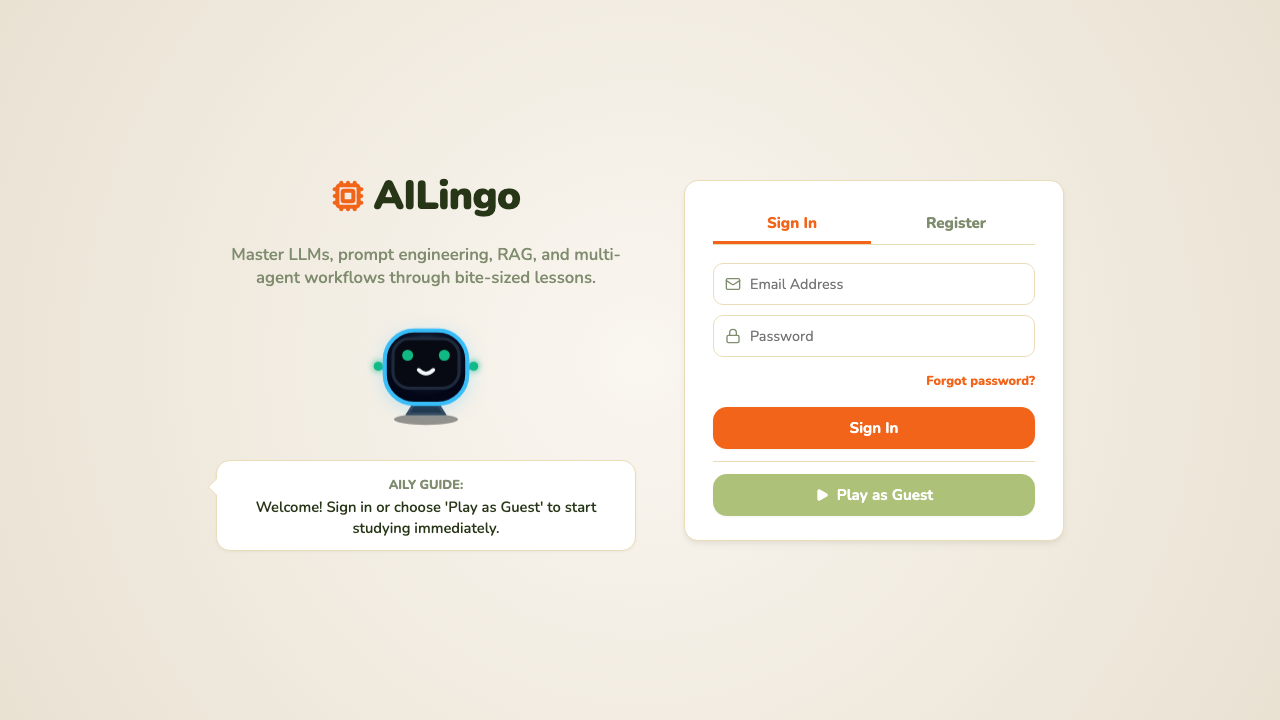
AILingo

A twelve-module Duolingo clone for LLMs, RAG and evals — hearts, streaks, XP, and live PostHog events firing.

by Kashish Garg
Top pick

Quest 7 · AI Builder Series

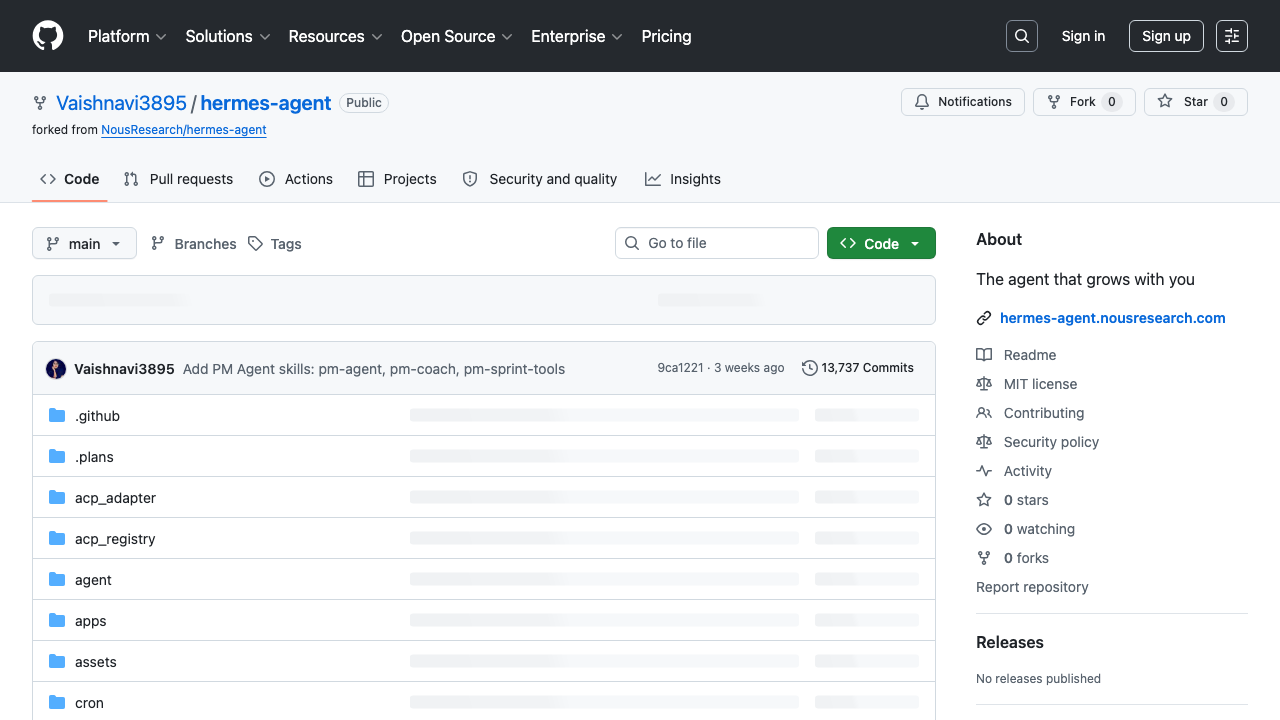
Hermes PM Agent

A Hermes fork with custom PM skills running a ten-step brainstorm to strategy workflow, with memory across sessions.

by Vaishnavi Pai
Top pick

Quest 4 · AI Builder Series

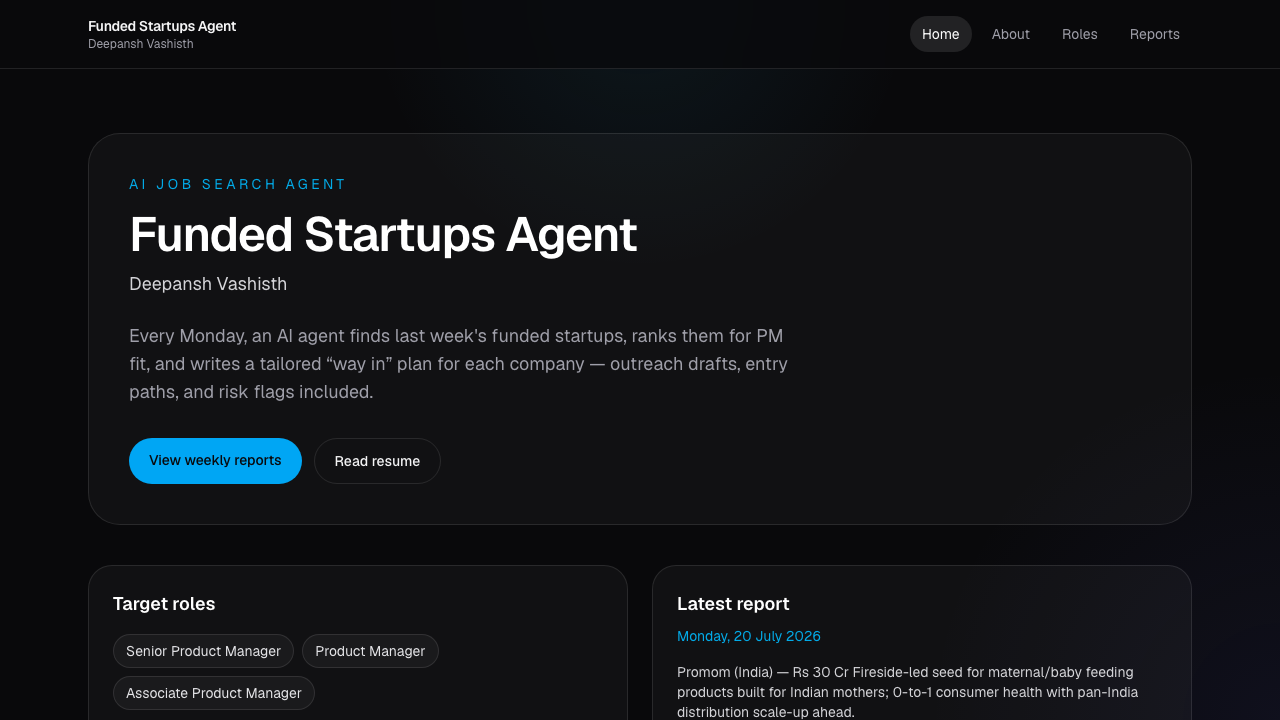
Funded Startups Agent

A weekly digest of freshly funded startups, each with a resume-grounded fit thesis and a way in.

Top pick

Quest 3 · AI Builder Series

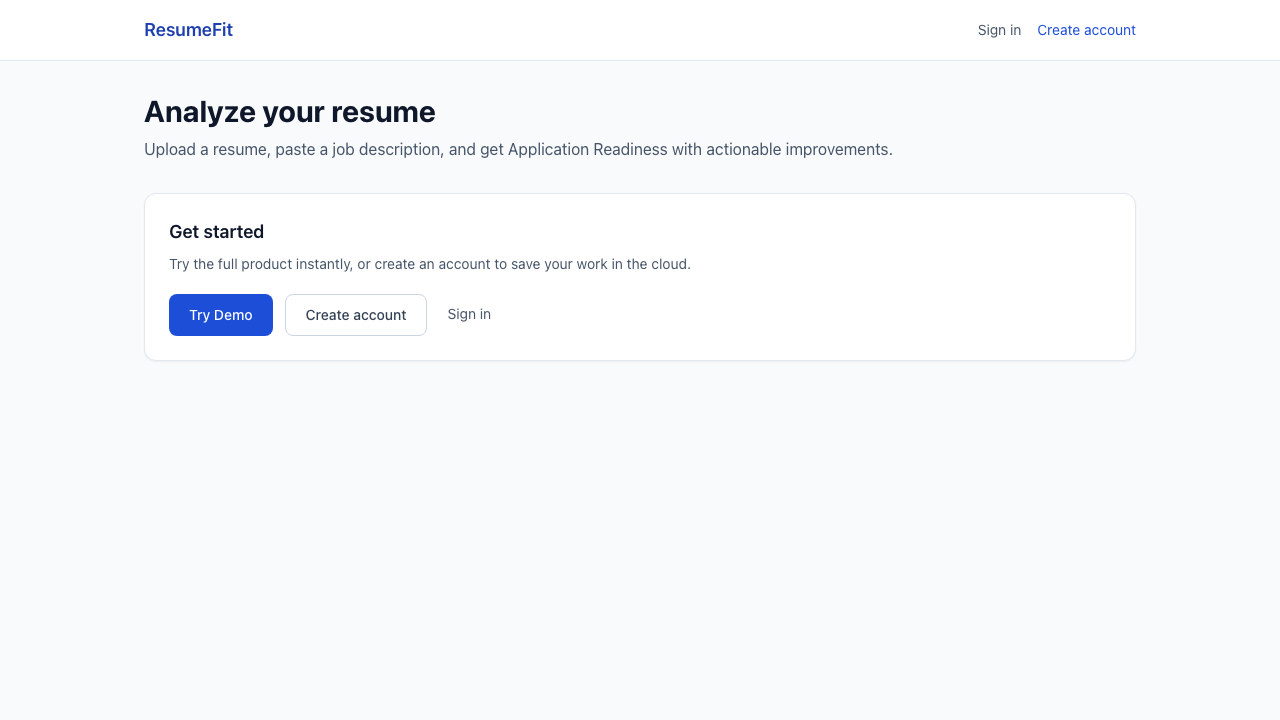
ResumeFit

Scores a resume against a JD on weighted dimensions, refuses to invent experience, exports a tailored PDF.

by Teena Azmi
Top pick

Quest 2 · AI Builder Series

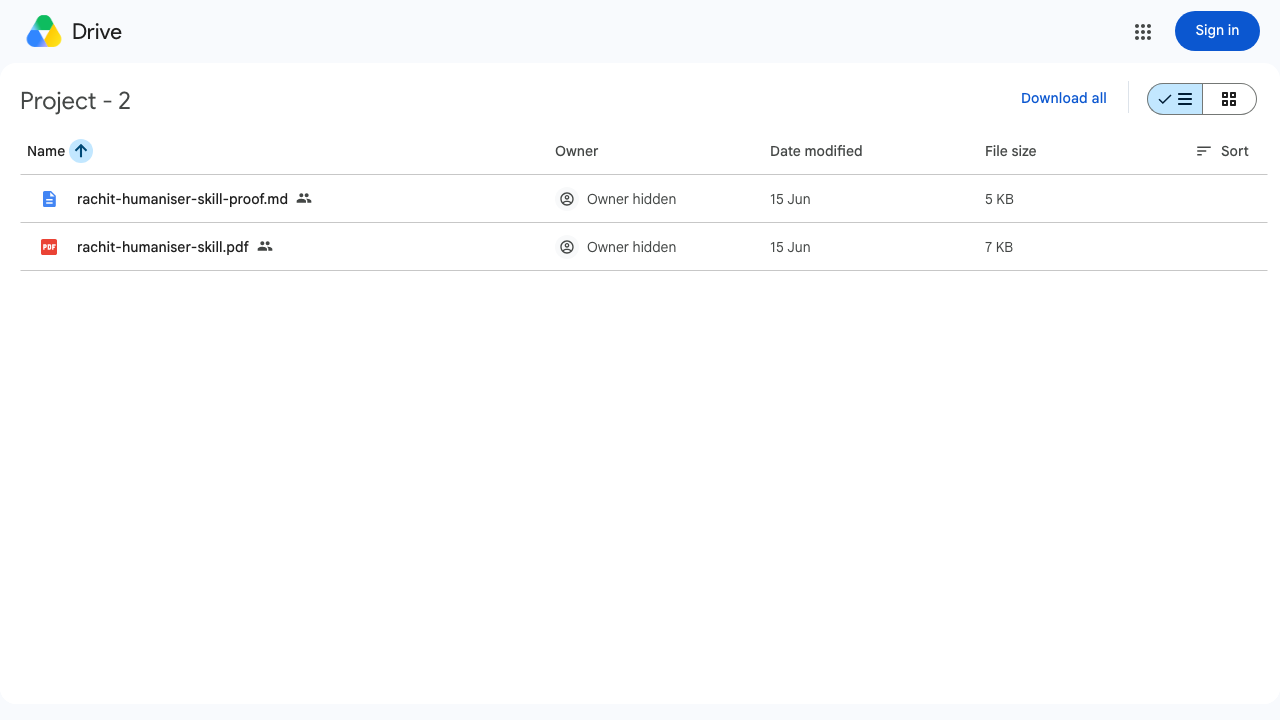
Humaniser Skill

A voice Skill seeded on fifteen real emails written over two years, shipped with three before-and-after comparisons.

Top pick

Quest 1 · AI Builder Series

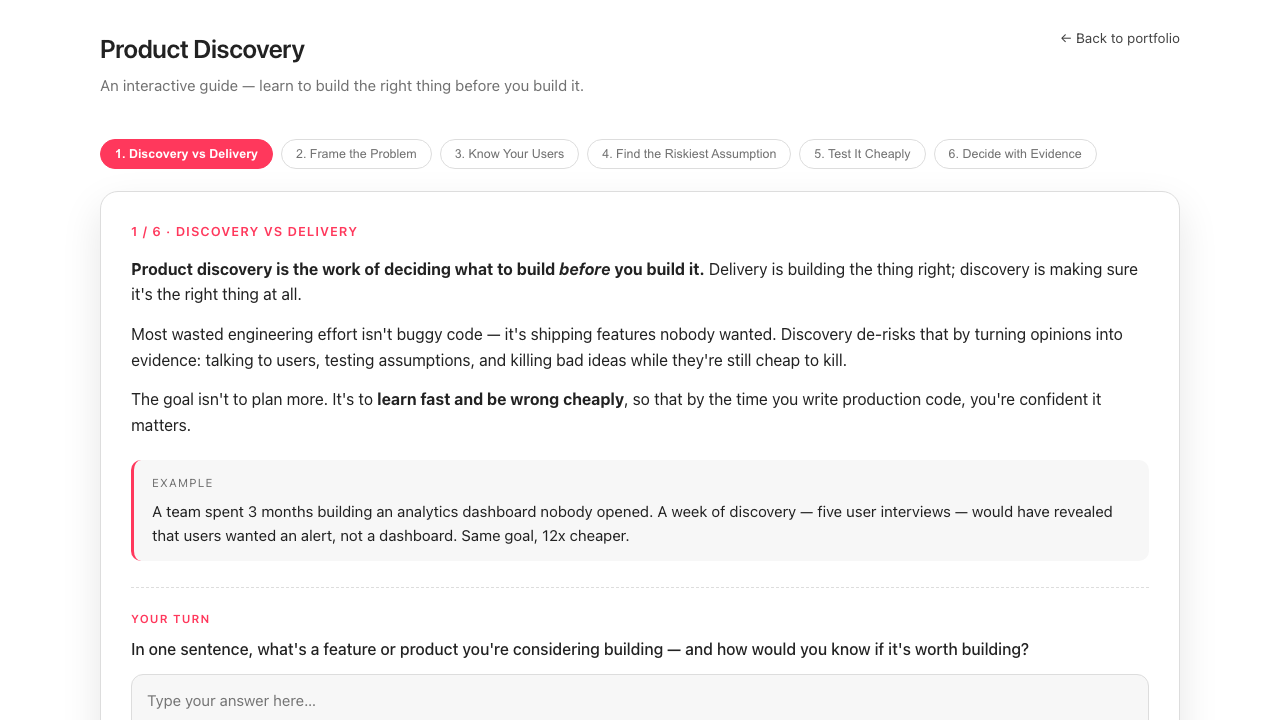
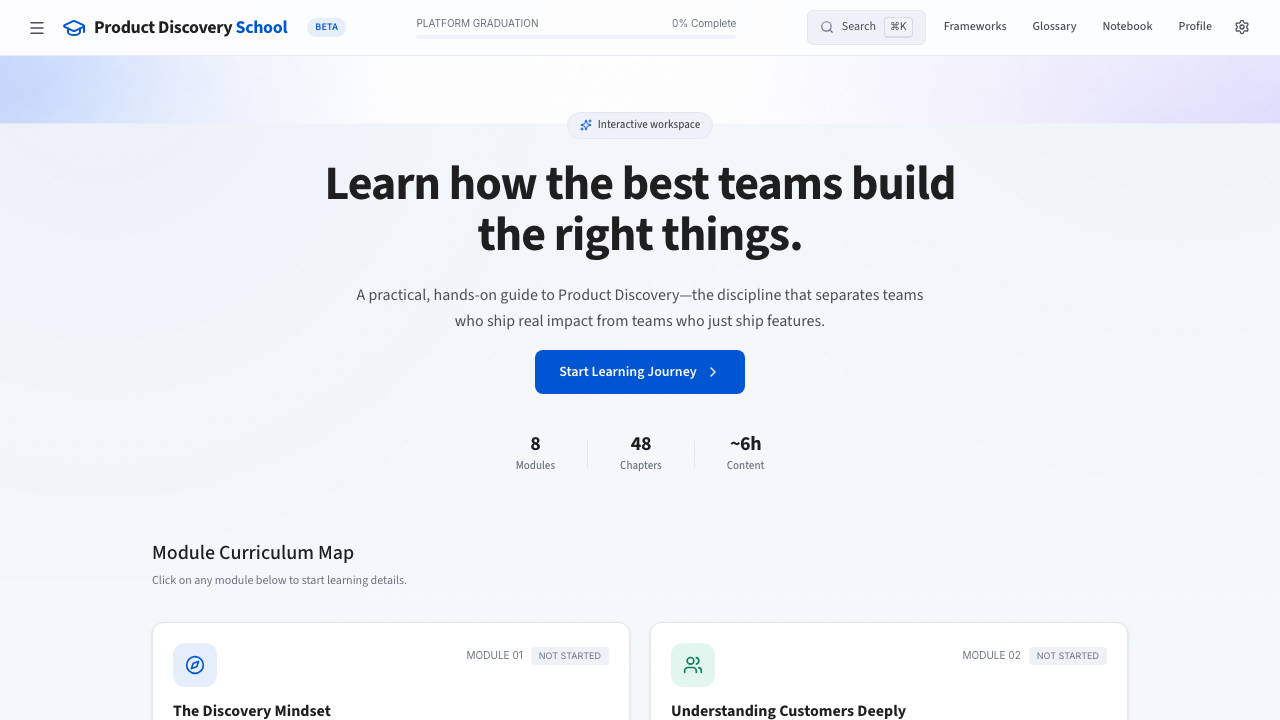
Product Discovery guide

A six-step guide where you apply each concept to your own product and get AI coach feedback on the answer.

Top pick

Quest 6 · AI Builder Series

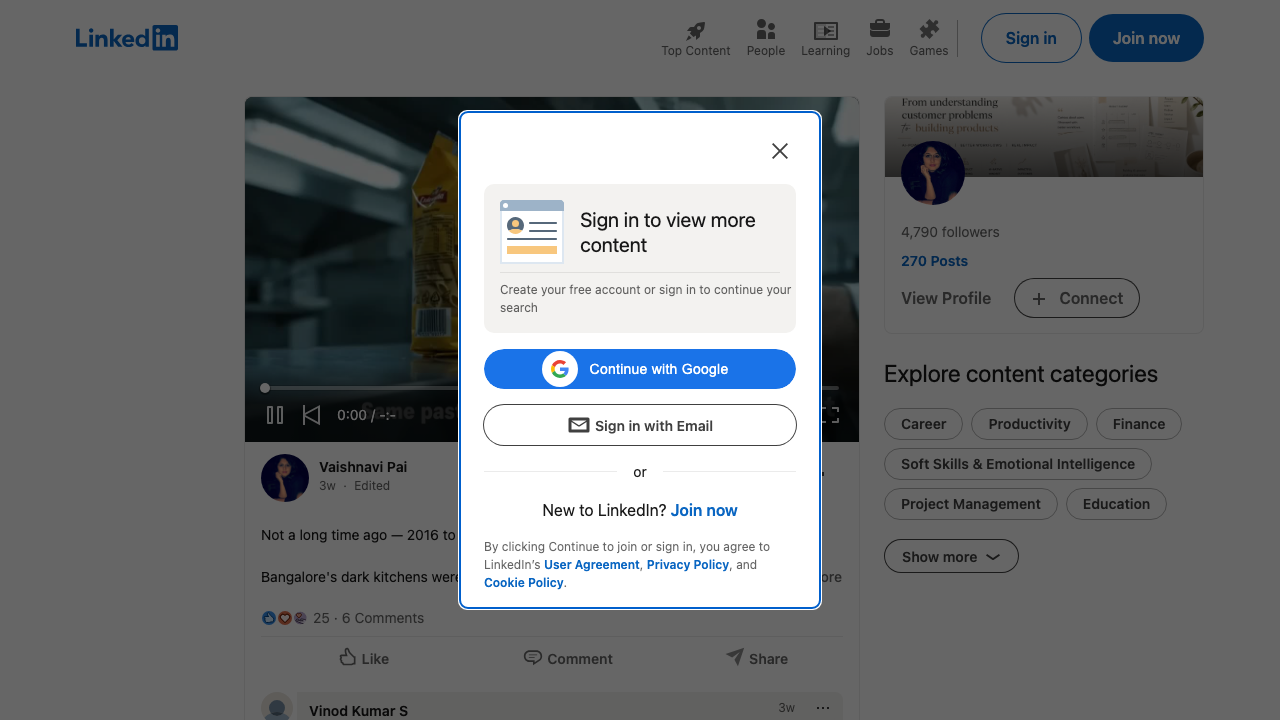
Impasto brand film

A Veo-generated brand film for a fresh-pasta dark kitchen, run as a real campaign recruiting founding partners.

by Vaishnavi Pai
No. 02

Quest 3 · AI Builder Series

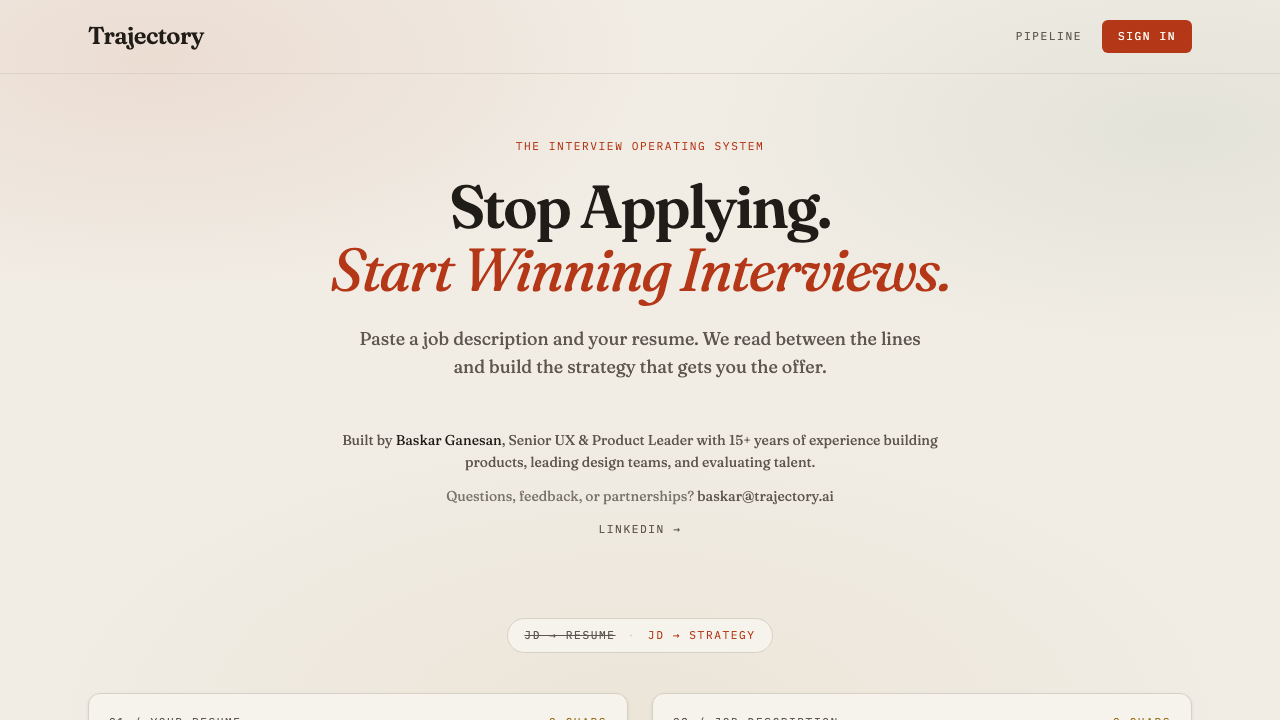
Trajectory

Gives every resume line a JD-grounded rewrite with a rationale you can accept, reject or edit line by line.

No. 02

Quest 4 · AI Builder Series

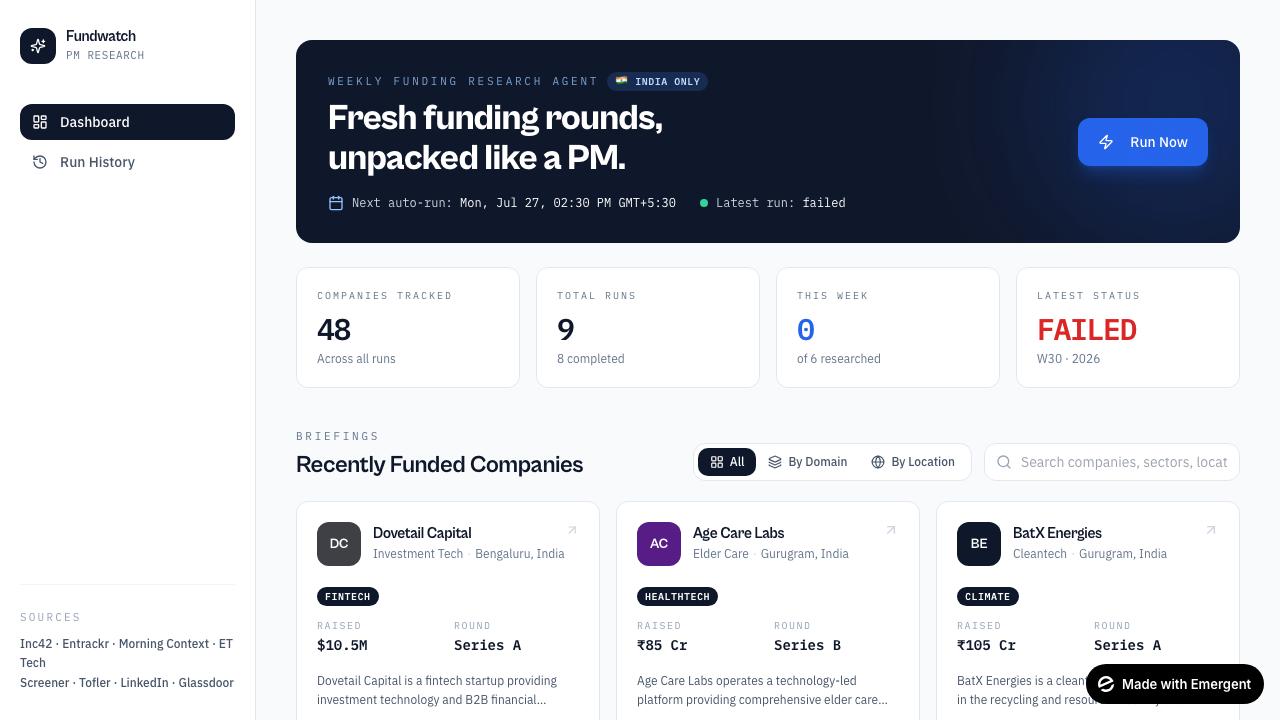
Fundwatch

A weekly India funding radar — 48 named rounds with sources, each with a PM-framed opportunity and GTM angle.

by Shiv Kumar
No. 03

Quest 5 · AI Builder Series

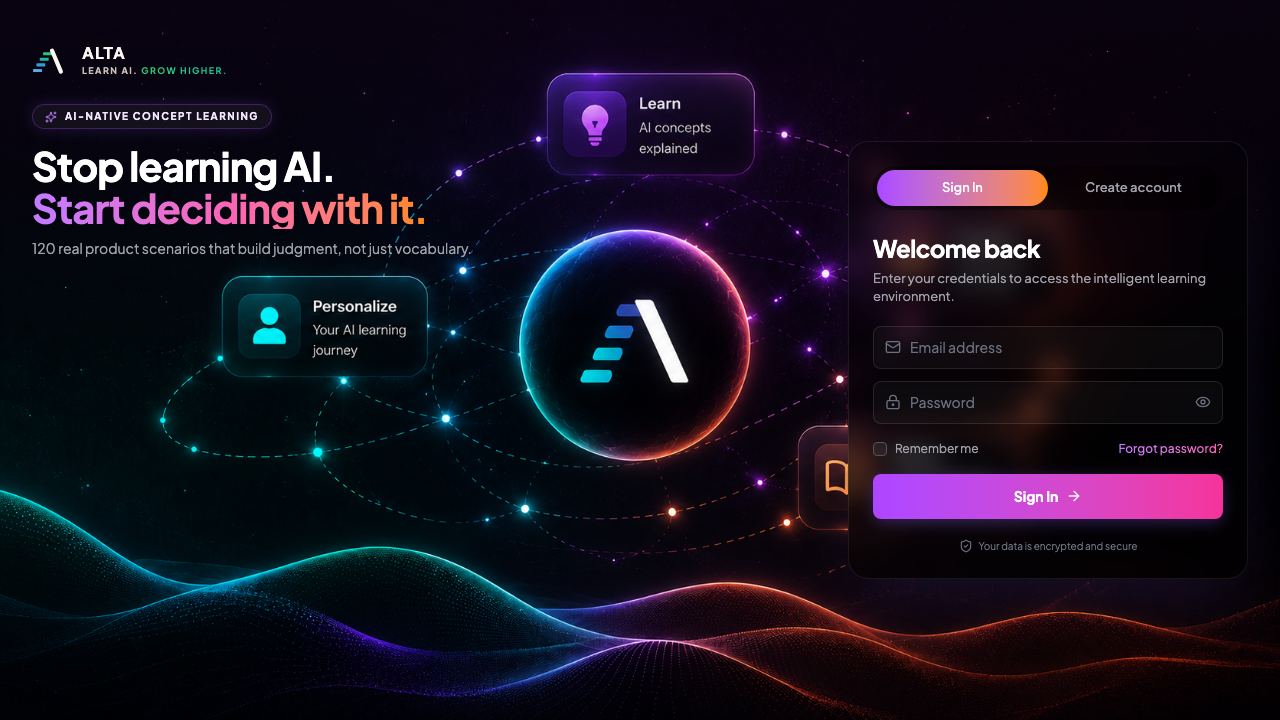
ALTA

An installable PWA for daily AI-PM practice: case studies, interview mode, a war room scenario, full instrumentation.

by Prachi Patil
No. 02

Quest 1 · AI Builder Series

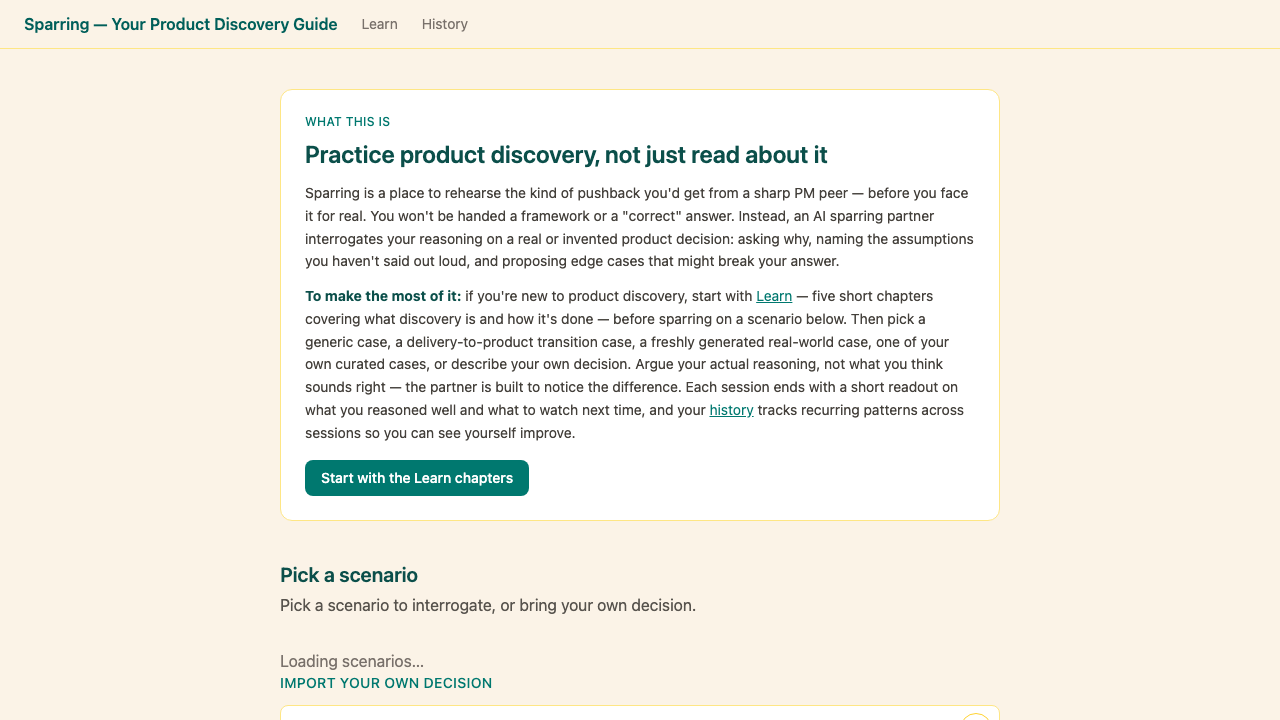
Discovery sparring partner

An AI that argues back — it debates your product reasoning instead of agreeing with it.

No. 02

Quest 7 · AI Builder Series

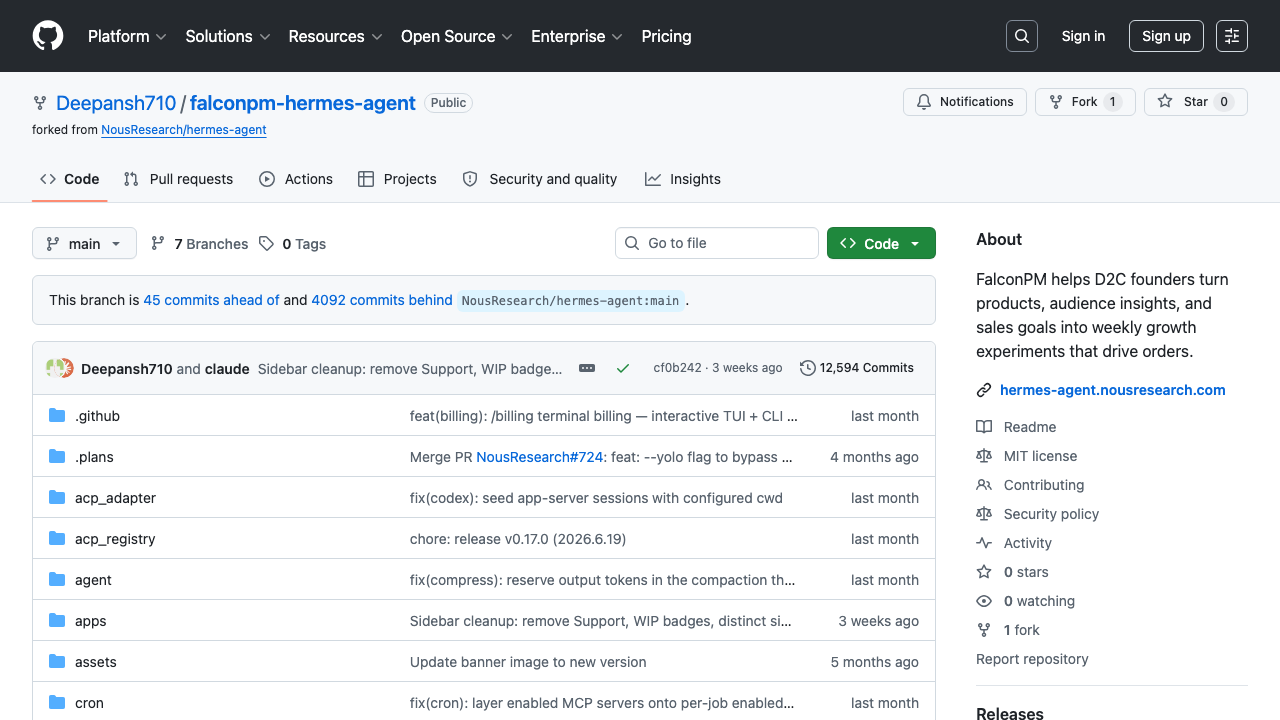
FalconPM

A Growth-PM Hermes fork behind a PIN-gated console, tuned for growth loops rather than generic PM chat.

No. 03

Quest 7 · AI Builder Series

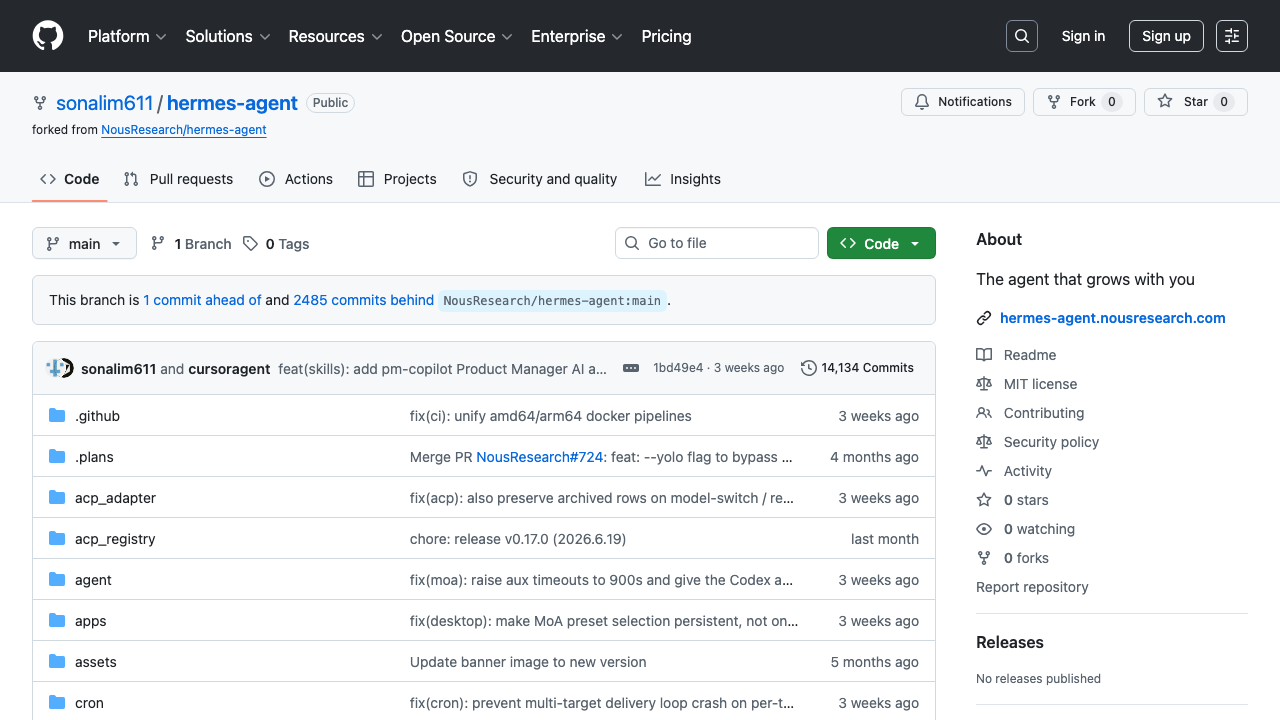
pm-copilot

Turns raw call transcripts into PRDs, RICE tables and launch checklists.

by Sonali
No. 03

Quest 1 · AI Builder Series

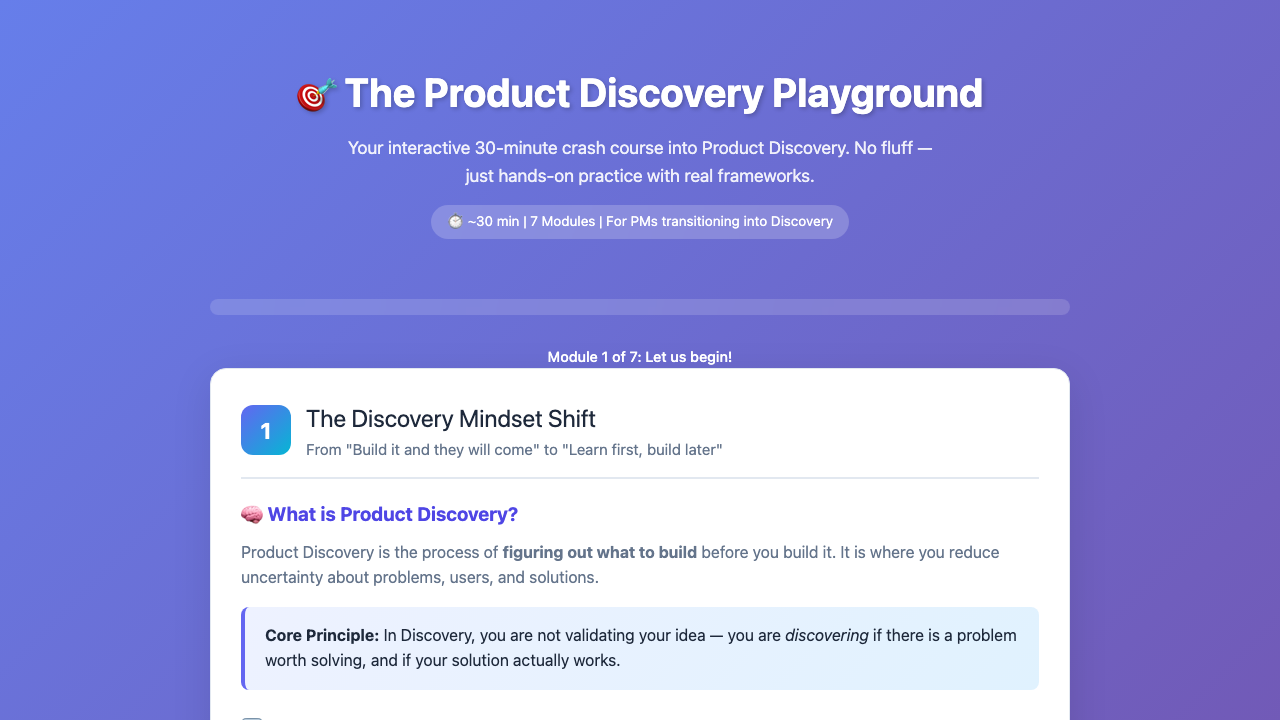
Discovery wizard

A seven-module wizard with a working RICE scorer and an Experiment Canvas generator at the end.

by Tasneem
No. 03

Quest 6 · AI Builder Series

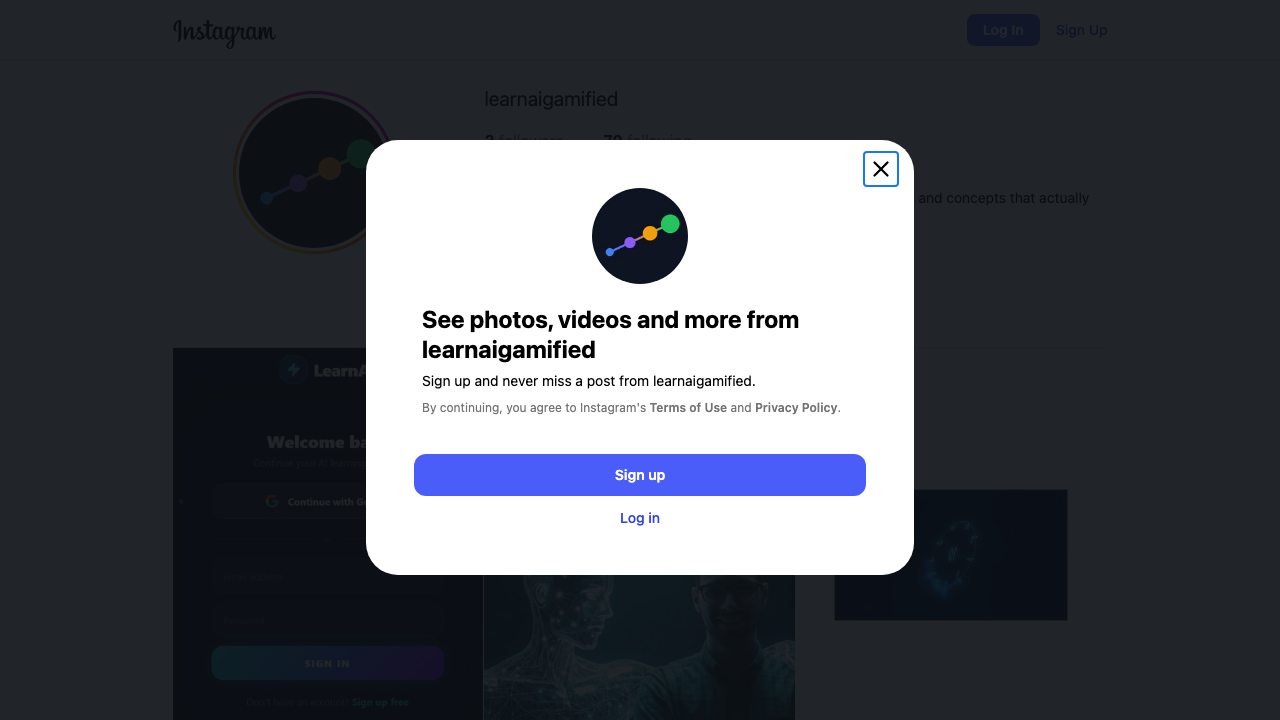
@learnaigamified

An Instagram GTM campaign of short-form reels pitching “Understand AI the fun way — no CS degree, no jargon.”

No. 02

Quest 5 · AI Builder Series

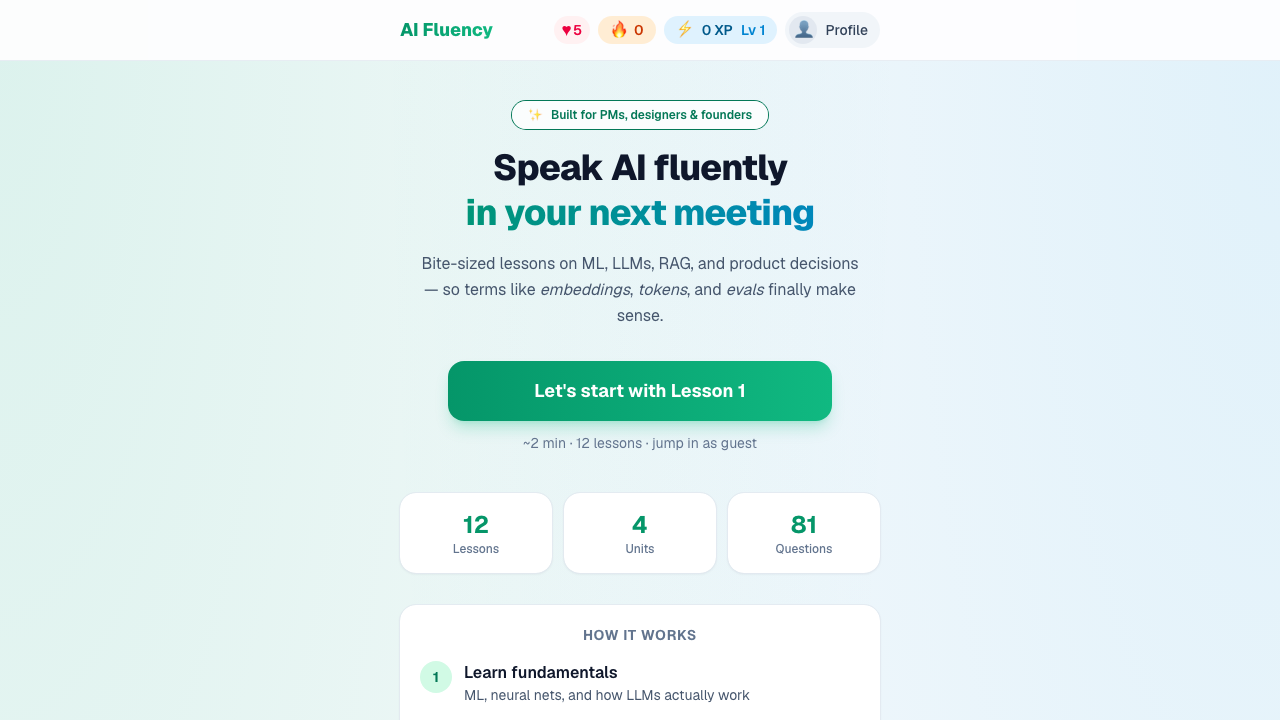
Speak AI fluently

Twelve lessons framed around real workplace moments — reading a vendor deck, evaluating a PRD — with live PostHog events.

Quest 2 · AI Builder Series

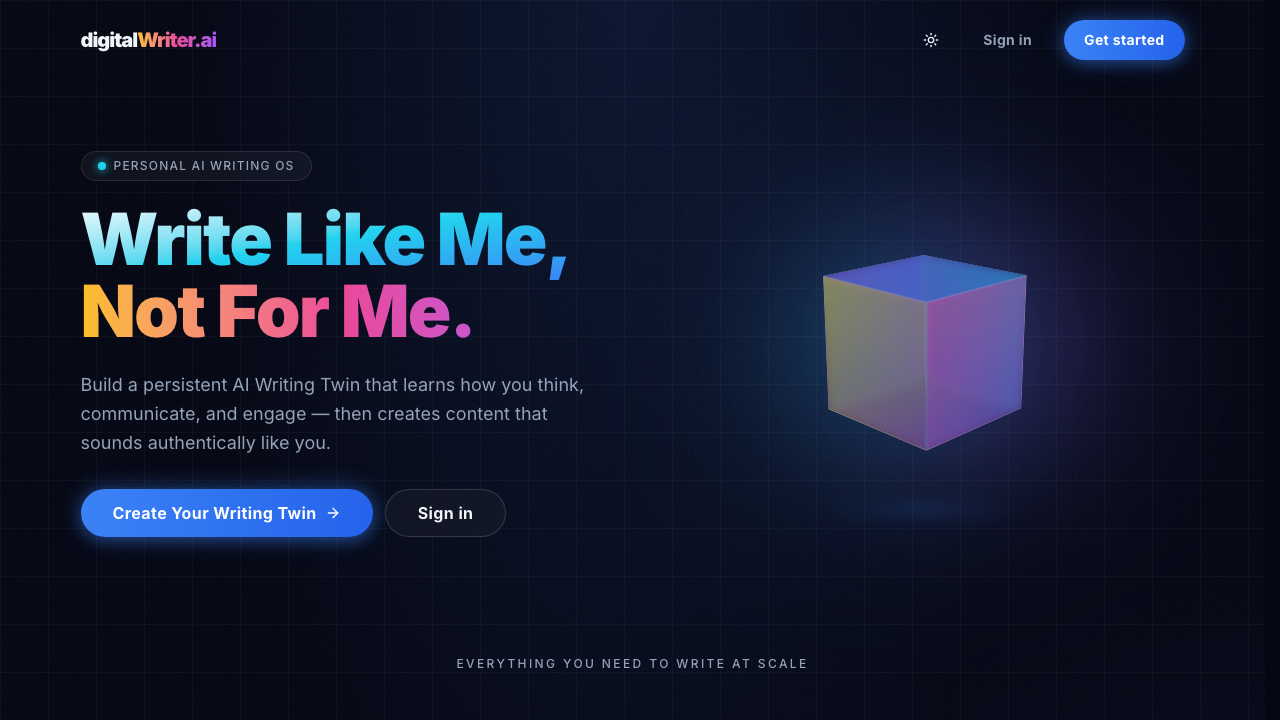
digitalWriter.ai

A web product built around a persistent ‘Writing DNA’ profile rather than a generic AI writing style.

by Saket Dethe
No. 03

Quest 2 · AI Builder Series

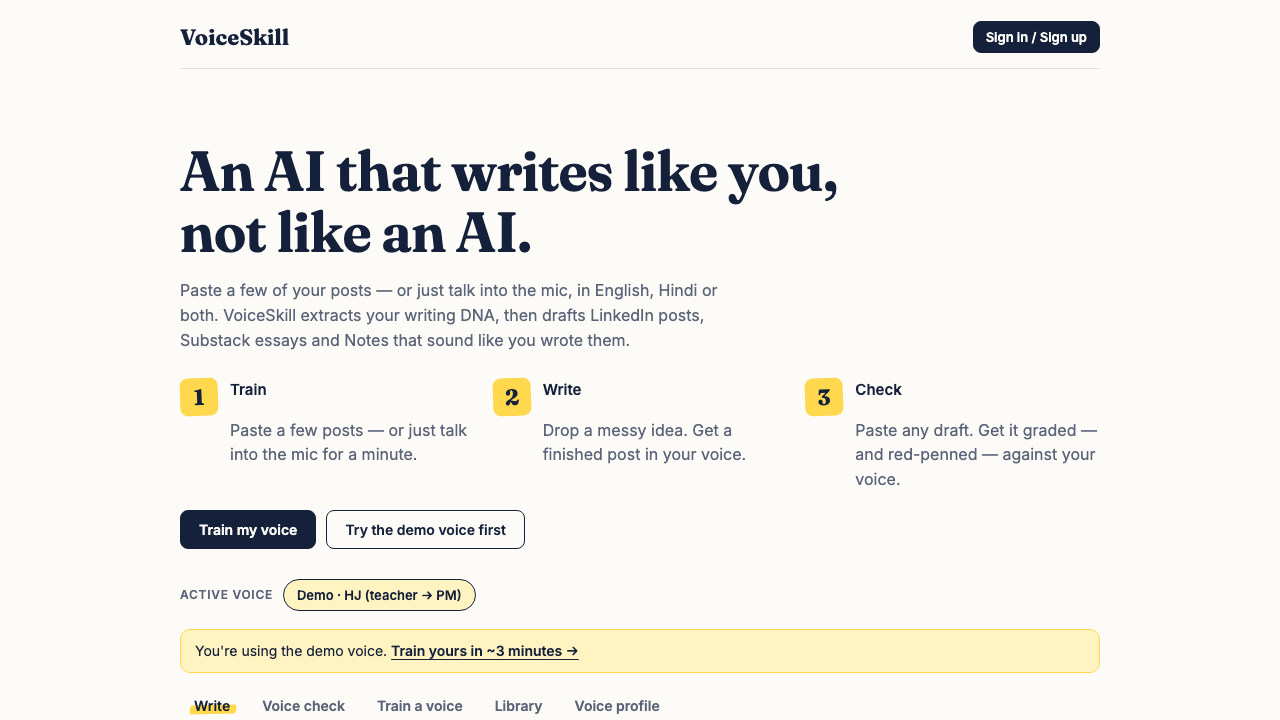
VoiceSkill

Trains on a handful of your own posts, then writes new content in that voice — Train, Write and refine steps.

by Himanshu Jain

These 36 are a sample. Both libraries are open in full — no signup, no paywall.

“HelloPM gave me the structure, resume guidance, and hands-on assignments that turned my portfolio into proof of work and helped me go from being ignored to reaching final rounds at every interview.”
03 Categories 12 categories

By product category

Work on the kind of product you want to build. Each tile opens the full library, filtered.

Categories cover the 149 written submissions. The 203 AI builds are organised by quest instead — they answer seven shared briefs rather than targeting an industry.

04 The quests Same brief · 29 answers each

Seven briefs, 29 answers each

One brief, 29 builders, 21 days. Open any quest to see every approach side by side — the most useful way to learn is to watch other people solve the thing you are stuck on.

01

Product Discovery interactive guide

Build an interactive guide that teaches YOU Product Discovery.

Discovery isn’t a chapter you read — it’s a muscle.

Product Discovery Interactive learning UX
02

Personal voice skill

Create your personal voice skill — one that communicates in your style, pulled from your own writing.

A reusable Skill beats a clever one-off prompt every time.

Reusable skills Prompt design Personal branding
03

JD-to-resume customiser

Build a tool that takes a job description and customises your resume to match. Outputs a finished PDF.

The output format is the product. A resume that only lives in a chat window can’t be sent to a recruiter.

Automation PDF generation Job search
04

Weekly funded-companies agent

Build a weekly agent that scrapes last week’s funded startups and proposes your way in.

Agents earn their keep when they run without you.

AI agents Web scraping Automation
05

Duolingo-style AI concepts learner

Build an app that makes you learn AI concepts the Duolingo way. Wire it up with PostHog for analytics.

Retention is a design problem, not a content problem.

Gamification PostHog AI literacy
06

GTM with AI-generated videos

Run a full GTM with AI-generated video. Land your first 10 users on Instagram or LinkedIn.

Distribution is part of the build. Landing real users — not likes — is the honest scoreboard.

Go-to-market AI video Growth
07

Your own PM AI Agent

Fork Hermes or OpenClaw on GitHub and ship your own Product Manager AI Agent.

Forking beats a blank page.

AI agents GitHub PM tooling
05 The people Quote and artifact, same person

The people behind the work

Reviews are easy to write. These six left one and have their work published here — so you can read what they said, then go read what they actually produced.

“I am delighted with the program. The fundamentals of the PM role were clearly taught, AI knowledge was shared at the right level for PMs, and the use of AI tools was very well set up”
Read the Google Flights teardown by Kartik S Vasudev →
“I finally understand RAG and evals!! the live teaching and step by step building together was my favourite part”
Read her Monzo verification dashboard →
“I am confident to apply to Product roles with a portfolio to showcase my product skills and ready to crack Product interviews with all the learnings from the course. … The guidance for assignments was written very well, it made the work easy and helped in understanding the concepts in a structured way.”
Read his Porter submission →
“When I joined the course, I felt AI product management means learning about AI and sound more technical, but this program helped to change my perception towards AI product management. … I liked the live sessions, QnA sessions by the top product managers in the market, Assignments, case studies, concepts related to the course.”
Read his Claude AI teardown →
“… Content is exhaustive and covers every aspect of Product Management, mentors are great and always available for help, which is great. 2 years support is also something I really appreciate in this changing times of AI.”
Read her AI lifecycle platform brief →
“What I liked best about HelloPM is they did not just stop at the curriculum that was mentioned during joining. As we all know, AI has seen rapid developments in the last few months, and Ankit and the team at HelloPM added more modules to the course as it progressed to make sure we were up to date with relevant concepts!”
Read her WhatsApp-to-tasks brief →
06 The assignments 149 published submissions

The two published assignments

The program sets three graded assignments. These are the two with a public example library behind them. Both are open-ended on purpose — there is no answer key, there is a bar, and you can read exactly where it sits.

Improving Product Sense

106 published submissions

Take a product you use every day and prove you can see it the way its PM does.

  1. Teardown
  2. User research
  3. Solution design
  4. The PRD

The barA reader can follow the argument end to end and say where they would push back. Polish is not what gets you in.

Read the brief & examples →

Meaningful AI Improvement

43 published submissions

Add AI to a product without adding a chatbot nobody asked for.

  1. Find the job
  2. Justify the model
  3. Design the feature
  4. Prove the value

The barWhat the feature does on the day the model gets it wrong — and still keeps the user.

Read the brief & examples →
“… Each class is very detailed and gives insight into real-world cases. … The best part is the assignment. They require critical thinking from our side”
07 The arc Same person, both libraries

From written to shipped

Three people have work in both libraries. Read the assignment they wrote, then open the product they went on to ship — the clearest picture on this page of what the arc actually looks like.

That arc — think it through, then ship it — is what the fifteen weeks are built to produce.

08 Curriculum 10 skills · 15 weeks

What taught them this

None of this work is spontaneous. Each skill below maps to the week of the curriculum that teaches it — click through to see the work it produced.

Week 1

Product sense & teardowns

Reading a product the way its own PM does — the core flows, what it does well, and exactly where it leaks.

The First Principles of Modern Product Management

See the work →

Week 2

Discovery & user research

Talking to real people, writing the problem in their words, and showing it is worth solving before designing anything.

User & Market Research — Product Discovery

See the work →

Weeks 3–4

Strategy, prioritisation & PRDs

Generating more than you ship, cutting hard with RICE, defending the order, then writing the PRD that survives review.

Product Strategy & Creative Execution

See the work →

Weeks 5 & 8

Analytics, metrics & evals

Defining success before the solution, wiring real event tracking, and evaluating an AI feature instead of eyeballing it.

Product Analytics · Deep dive into Evaluations

See the work →

Weeks 6–7

AI architecture & RAG

Knowing why a model beats a rule, what the context window is doing, and where retrieval belongs in the stack.

Generative AI Building Blocks · System Architecture of AI Products

See the work →

Week 10

Designing AI experiences

Entry points, controls, and the fallback for the day the model is confidently wrong — and you still keep the user.

Designing AI product experiences

See the work →

Weeks 9 & 13

AI agents & harnesses

Agents that run on a schedule without you, forked from real codebases rather than started from a blank page.

Deep Dive into AI Agents · Harness Design and Engineering

See the work →

Week 11 · Advanced Module 2

Growth, GTM & distribution

Shipping is half of it. Landing real users — not likes — is the honest scoreboard.

AI Product Adoption, Growth & Scaling · Growth, User Acquisition & Product Marketing

See the work →

Weeks 14–15

Shipping the whole thing

Opportunity to PRD to MVP to first users, on your own product, in two weeks. Most of the builds above came out of this.

BUILD your own AI Product (BUILDATHON)

See the work →

Week 12 · Advanced Module 1

AI-native PM workflow

Turning the work into reusable tools and a portfolio you can actually send to a recruiter.

10xing PM outcomes with AI · Getting into a PM role

See the work →
“… The hands-on challenges pushed me to think critically, communicate clearly, and build with confidence. I’ve come away not just with skills, but with a renewed belief in myself, and I’d do this experience all over again in a heartbeat!!”
09 Evaluation Published rubric

How it gets judged

Every quest is scored out of 100 against a rubric that is published in full — 40 points every quest shares, 60 specific to the task. Nothing in it is hidden or invented after the fact. The scores stay private; the work is what gets published.

The 40 points every quest shares

  • 15A real, shareable artifact — a live URL, a downloadable file, or a working repo you can open yourself.
  • 10Iteration and judgment over one-shot prompting: evidence you tested, hit a rough edge and refined.
  • 10A purposeful, discovery-minded build — your own angle, not a template with a name swapped in.
  • 5Responsible practice: no leaked keys, no spammy outreach.

Where a criterion scores zero

  • 0A dead, private or 404 link — the whole submission scores zero, with the reason written down.
  • 0An announcement post with nothing behind it scores zero on the artifact criterion.
  • 0A resume tool that cannot export a PDF loses the full 24 points for that requirement.
  • 0An analytics build with the analytics never wired up loses its 24-point criterion.

Read the full rubric →

And the written assignments

Those are not scored out of anything. They are read against a stated bar, published on each assignment page before you start.

Present in the strong ones

  • A problem stated in a user’s words, not a feature wish
  • Evidence that someone was actually asked, not imagined
  • More ideas generated than shipped, with the cut explained
  • A trade-off named out loud and then chosen
  • Success defined before the solution is designed

Missing from the weak ones

  • The why now — why this problem, this quarter
  • Any user who disagrees with the writer
  • Numbers attached to the size of the problem
  • A second option, seriously considered and rejected
  • What happens when the feature does not work

That list is for Improving Product Sense. Meaningful AI Improvement swaps it for a named task over a named model, the fallback for low confidence, and the signal that would tell you to switch the feature off. Read that bar →

10 Questions

Before you ask

Is this real student work, or samples written by the team?

Every page linked from here was submitted by a named person in a cohort. The assignment library publishes each submission in full, phase by phase, and the AI Builder Series links straight to the live app, repo or file that was shipped.

Why are there no scores on any of it?

Both libraries deliberately publish the work rather than a mark. Quests are graded privately against a published rubric — 40 shared points and 60 task-specific ones — and only placement is shown. The build is the point, not a number out of a hundred.

Do I need a technical background to build these?

No. The written assignments need no code at all. The AI Builder quests are built with AI tooling — forking an existing agent, wiring analytics, generating video — which is exactly what the AI Product Management weeks of the curriculum teach.

Would my work be published too?

It works differently in each library. Every AI Builder Series participant gets all seven of their builds published, credited by name, whether or not they place on a leaderboard. The written assignment library is curated — only the strongest submissions are added, which is what makes it worth reading.

11 Outcomes What the work led to

And then what happened

A portfolio is a means, not the point. Three alumni on where theirs took them.

“… And finally I have an offer in hand from Cognizant with very good hike and that is from the first interview after joining HelloPM.”
“I had five years of PM experience but couldn’t get past first-round interviews in London. HelloPM’s course and mock interviews helped me finally sound like a PM — and I ended up with two offers, including American Express”
“This entire course helped me in getting new job and gave me confidence to sit in the interview. I have already recommended few of my friends to join.”

Your work could be the next thing
someone reads here.

The AI Product Management program is fifteen weeks, live. Ten activities, three assignments, and a buildathon where you ship your own AI product — with two years of access after it ends.

3000+ alumni across 50 cohorts, working at GEICO, CRED, SpotDraft, SuperAGI and 500+ more organisations